
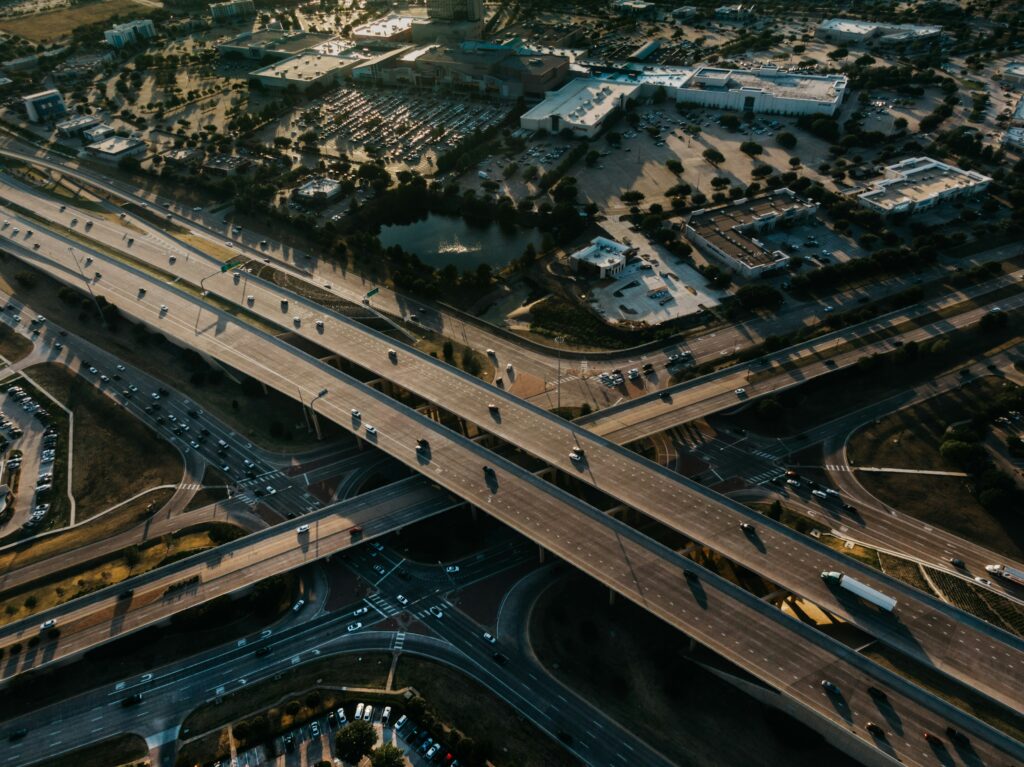
Most people think they are struggling because they are not disciplined enough.
They assume they need to budget better, work harder, optimize more, or become more consistent.
Sometimes that is true.
But sometimes the real issue is simpler:
You are operating inside a system that is expensive, rigid, and difficult to navigate.
Some cities do not just cost more money.
They cost more effort.
And that effort matters.
Because a city is not just a place where you live.
It is an operating system.
It determines how much energy basic life requires before you even begin pursuing anything larger.
If the system is heavy, you feel heavy.
If the system is light, you recover capacity.
The problem is not always you.
Sometimes it is the system you are operating in.
The Hidden Cost: Friction
When people evaluate a city, they usually look at rent, salary, taxes, and headline cost of living.
Those numbers matter.
But they miss the variable that often determines day-to-day quality of life:
friction.
Friction is the amount of effort required to do basic things.
Get food.
Move around.
Pay bills.
Access services.
Exercise.
Handle paperwork.
Solve ordinary problems.
Two cities with similar costs can feel completely different depending on how much friction they impose.
One city may technically be affordable but require constant logistics.
Another may cost slightly more but let daily life happen with less resistance.
That difference compounds.
Friction is not just inconvenience.
It is a recurring tax on attention.
High-Friction Systems: The Hidden Drain
In a high-friction city, nothing is simple.
Every action requires planning, time, money, and decision-making.
You do not just live there.
You manage the conditions of living there.
That management becomes exhausting because it never fully ends.
The drain is often invisible at first.
Then it becomes your baseline.
1. Movement Requires Commitment
In some cities, you cannot just step outside and function.
You need a car.
You need insurance.
You need gas.
You need parking.
You need time to account for distance, traffic, and weather.
Every trip becomes a decision with a cost attached.
A coffee run becomes a drive.
A grocery trip becomes a logistics task.
A gym visit becomes a scheduled event.
Even small errands feel heavy because movement itself has become expensive.
That changes your behavior.
You stop doing small useful things because each one requires too much activation energy.
2. Geography Works Against You
In high-friction environments, everything is spread out.
The grocery store is fifteen to twenty minutes away.
The gym is in another direction.
Coffee requires a separate trip.
Healthcare is across town.
Government offices are inconvenient.
Basic services are not clustered around ordinary life.
Simple tasks become multi-step operations.
This matters because your day has a limited number of transitions.
Every added transition consumes energy.
Every drive creates another decision point.
Every detached errand increases the chance that you delay, avoid, or abandon something useful.
A bad geography does not only waste time.
It reduces your functional life.
3. Costs Are Front-Loaded
Some cities demand a large payment before you are even stable.
- Rent.
- Deposit.
- Furniture.
- Utility setup.
- Service contracts.
- Transportation costs.
- Application fees.
- Admin fees.
- Replacement purchases.
You are not just living.
You are funding entry into the system.
This matters because front-loaded costs create pressure before rhythm exists.
You spend heavily before you know the neighborhood.
You commit before you understand the friction.
You absorb setup costs before your life has stabilized.
That makes early mistakes expensive.
And when early mistakes are expensive, people become more anxious, less flexible, and more reluctant to adapt.
4. Systems Are Complex by Default
High-friction cities often force you into constant comparison and setup decisions.
Which electricity plan?
Which insurance tier?
Which internet provider?
Which parking option?
Which route?
Which commute pattern?
Which grocery store?
Which subscription?
Which service provider?
Every decision carries downside.
Every mistake can cost money.
The system may look like choice.
But for many people, it functions as administrative burden.
You are not being given freedom.
You are being handed unpaid management work.
What This Feels Like
High-friction systems create a very specific emotional pattern.
You feel behind.
You feel drained.
You feel unproductive.
You feel like basic life takes too long.
You feel like your money disappears before you touch anything meaningful.
You feel like every small problem becomes a project.
That can easily become internalized as personal failure.
But it may not be failure.
It may be accurate feedback from the environment.
The system requires continuous effort just to maintain baseline functioning.
That is a heavy system.

Low-Friction Systems: The Structural Advantage
In a low-friction environment, life is more modular.
You do not need to optimize everything.
You just need to exist inside a system that does not constantly resist you.
This does not mean the place is perfect.
No city is perfect.
But the baseline effort is lower.
Basic life requires less planning, less money, fewer transitions, and fewer irreversible decisions.
That creates a structural advantage.
You recover capacity before you spend it.
1. Movement Is Lightweight
In a lower-friction environment, movement does not require a major commitment.
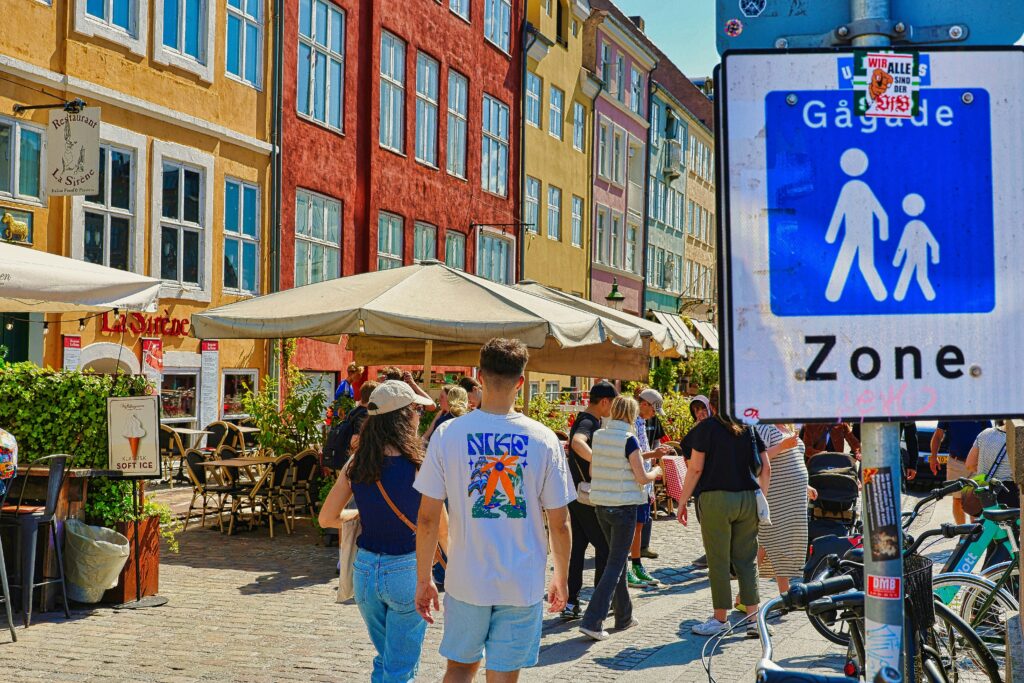
You can walk.
You can use low-cost transport.
You can make decisions in real time.
You can leave the house without turning the day into a logistics plan.
This changes everything.
If food, coffee, errands, services, and basic needs are close by, life becomes less brittle.
You do not need to predict every need in advance.
You can respond.
That responsiveness is a form of freedom.
2. Daily Life Is Localized
Low-friction cities often cluster ordinary life.
Food is nearby.
Services are nearby.
Basic needs are accessible.
Options are replaceable.
You do not need to structure your entire day around logistics.
This gives you back mental space.
You can work, rest, eat, move, and recover without turning each action into a separate project.
Localized life reduces the number of transitions between intention and action.
That matters because most people do not fail at life from one large obstacle.
They get worn down by hundreds of small resistance points.
3. Setup Costs Are Minimal
In a lower-friction environment, you can enter the system without massive upfront commitment.
You may not need large deposits.
You may not need to buy furniture immediately.
You may not need long contracts.
You may not need a car.
You may not need to solve every administrative problem before you can function.
You can adjust as you go.
That flexibility matters.
It reduces the penalty for being wrong.
And when mistakes are survivable, people make better decisions.
4. Systems Are Simple
Low-friction systems are not always more advanced.
Sometimes they are simpler.
Fewer choices.
Less optimization.
Lower downside for mistakes.
More direct paths between need and solution.
This simplicity is underrated.
Modern life often treats complexity as sophistication.
But complexity has a cost.
Every additional rule, account, provider, contract, commute, platform, and payment rail increases the surface area of daily life.
A simpler system gives attention back.
Why This Matters More Than Income
Most people try to solve their problems by increasing income.
More income helps.
But income does not automatically fix structural friction.
You can earn more and still feel stuck if your environment absorbs time and energy.
You can earn more and still feel drained if your costs are rigid.
You can earn more and still feel anxious if every system around you is complex.
Meanwhile, someone earning less in a lower-friction system may feel more in control, less stressed, and more flexible.
That does not mean money does not matter.
It means money operates inside structure.
A dollar in a high-friction system has to fight through more resistance.
A dollar in a low-friction system travels farther because fewer systems are extracting from it.
The Real Constraint: Cognitive Load
Every decision has a cost.
In high-friction systems, you are constantly deciding, planning, comparing, managing, correcting, and recovering.
This creates decision fatigue.
Mental exhaustion.
Reduced capacity for higher-level thinking.
That last part is important.
You do not have energy left for the things that could actually change your life.
Building income.
Creating systems.
Writing.
Planning long-term.
Developing skills.
Recovering properly.
A heavy city does not just take your money.
It takes your surplus attention.
And surplus attention is where future options are built.
Why Transitions Feel So Different
When you move between systems, the contrast becomes obvious.
In a high-friction city, money disappears quickly.
Time disappears quickly.
Progress feels slow.
Recovery feels incomplete.
Every mistake feels expensive.
In a low-friction environment, money lasts longer.
Time feels more flexible.
Progress accelerates.
Recovery becomes easier.
Mistakes are less catastrophic.
The difference is not motivation.
It is structure.
People often mistake structural relief for personal transformation.
But many times, the person did not suddenly become better.
The system stopped taxing them as heavily.
The Core Insight
Some cities are designed for stability.
Others are designed for extraction.
In extraction systems, you pay to function.
You pay to move.
You pay to correct mistakes.
You pay to access basic convenience.
You pay for distance.
You pay for fragmentation.
You pay because the system is difficult by default.
In supportive systems, you can operate cheaply, adjust quickly, and recover from errors without everything becoming a crisis.
That distinction should shape how we evaluate place.
The question is not only:
Can I afford to live there?
The better question is:
Can I function there without being constantly drained?
What to Evaluate Instead of Just Cost
If you are choosing where to live, do not only ask, “How expensive is it?”
Ask better questions.
- How hard is it to move around?
- How expensive is it to make a mistake?
- How much effort does daily life require?
- How flexible are my options once I am there?
- Can I access food, services, and basic needs without planning my whole day?
- Does the city support recovery, or does it consume recovery?
- Does the environment reduce decisions, or multiply them?
These questions reveal what cost-of-living calculators often miss.
A place can be cheaper on paper and more expensive in lived reality.
A place can be more expensive on paper and still support a calmer life.
The real variable is not just price.
It is friction.
Final Thought
If you feel like you are constantly working just to stay afloat, it may not be a personal failure.
It may be structural.
Some systems are heavy.
Some systems are light.
And sometimes the most effective change is not working harder inside a system.
It is choosing a system that does not drain you before you even begin.
That is not escape.
It is design.
And design is how you reclaim capacity.