May 28, 2026

Convenience Spending: The Hidden Cost of Small Choices

At some point, you stopped deciding what things cost.

You didn’t notice when it happened.

It didn’t feel like a decision.

It felt like convenience.

The First Trade

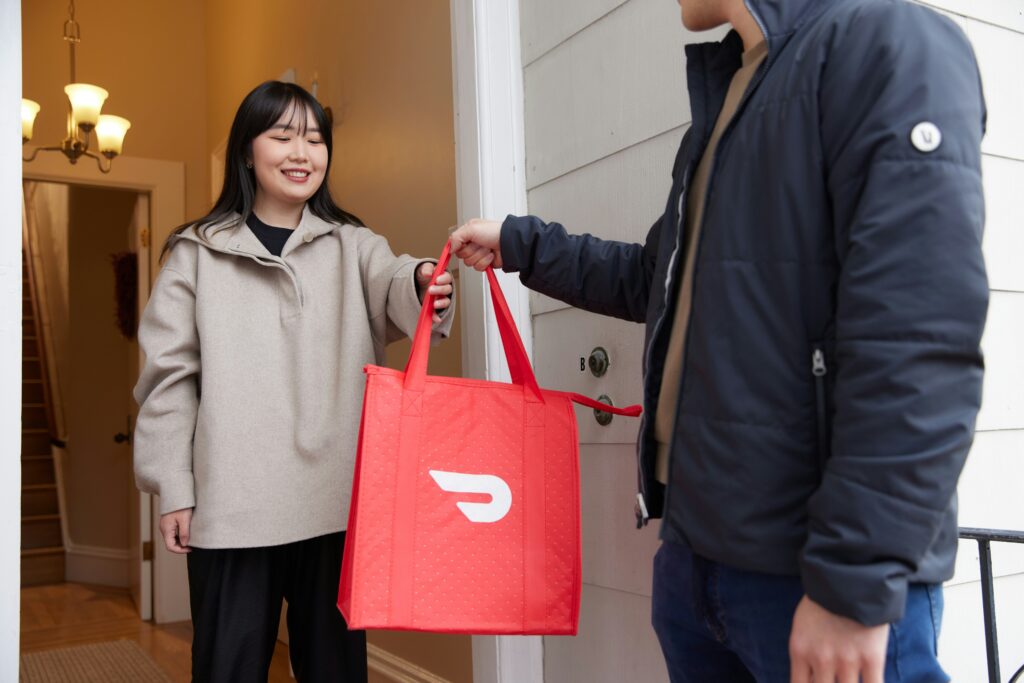
You’re tired. It’s hot. Food is nearby, but not right here.

So you open an app.

You pay an extra $1.50 to avoid a 2–5 minute walk.

That decision feels rational:

  • It’s cheap
  • It saves time
  • You don’t feel like moving

So you do it again the next day.

And the day after that.

At no point does it feel like a shift in behavior.

But it is.

You’ve just set a price on your own inconvenience.

How Prices Actually Increase

Companies don’t raise prices the way people think they do.

They don’t double them overnight.

They do this instead:

  • $1.50 becomes $1.60
  • Then $1.70
  • Then $1.85

Each increase is small enough that:

  • You don’t question it
  • You don’t compare alternatives
  • You don’t remember what it used to cost

You’re not tracking absolute price.

You’re tracking change from the last time.

And the change is always small.

So you continue.

Lorem ipsum dolor sit amet, consectetur adipiscing elit. Ut elit tellus, luctus nec ullamcorper mattis, pulvinar dapibus leo.

The Moment That Disappears

At first, you’re making a decision:

Is this worth it?

Then something changes.

You stop asking the question.

Features like:

  • Reorder
  • Saved payment methods
  • Default selections

Remove the moment where price would normally be evaluated.

You’re no longer choosing.

You’re repeating.

The Real System

This is the actual sequence:

  1. Convenience: “I don’t feel like walking.”
  2. Habit: “I usually order this.”
  3. Anchoring: “This is what it costs.”
  4. Automation: “Just reorder.”

Once you reach step four, price becomes background noise.

Why This Works

Humans don’t monitor gradual change well.

We react to:

  • Big jumps
  • Visible differences
  • Forced decisions

We do not react to:

  • Small increases
  • Repeated behavior
  • Passive systems

So the system adapts around that.

It doesn’t try to convince you to pay more.

It removes the moment where you would notice that you already are.

For more on how systems overwhelm you read: You Are Not Lazy. You Are Overexposed

Photo by Nguyễn Hiệp on Unsplash

This Isn’t About Food

Food delivery is just the visible version.

The same pattern shows up everywhere.

Software

  • $9.99 becomes $11.99 over time
  • Auto-renew removes re-evaluation
  • New tiers quietly push you upward

You don’t buy software anymore.

You inherit cost drift.

Housing

  • Rent increases $50–$150 per renewal
  • Fees get layered in over time
  • Moving is inconvenient, so you stay

You accept prices you would reject if you were choosing fresh.

Transportation

Platforms like Uber and Grab:

  • Add small fees
  • Increase base pricing gradually
  • Encourage repeat behavior

You’re not evaluating each ride.

You’re continuing a pattern.

The Hidden Mechanism

All of these systems rely on the same structure:

  • Incremental increases
  • Habit formation
  • Friction removal
  • Automatic repetition

Not one of these steps feels aggressive.

But together, they remove your ability to notice.

Photo by Julia Potter on Unsplash

The Constraint Most People Miss

This system has one weakness:

It only works if you don’t re-anchor to reality.

If you:

  • Check alternatives
  • Walk outside
  • Re-evaluate from scratch

The illusion breaks.

You remember what things actually cost.

And the entire structure becomes visible again.

The Real Cost

The danger isn’t any single decision.

It’s the accumulation of decisions you stopped making.

  • The extra $1.50
  • The unnoticed subscription increase
  • The rent adjustment you accepted

None of them feel significant.

But together, they reshape your cost of living.

Quietly.

<p>Quietly.</p>

The Part No One Likes

You’ll still reorder after reading this.

That’s the point.

The system isn’t built to trick you once.

It’s built to work even when you understand it.

A Simple Question

Before you reorder anything, ask:

Would I choose this at this price if I were deciding fresh?

If the answer is no, the system is working exactly as designed.

Final Line

The system doesn’t charge you more.

It teaches you not to notice when it already has.

If you want to Know more about systems and how to navigate them read these essays:

Leave a Comment

Your email address will not be published. Required fields are marked *