
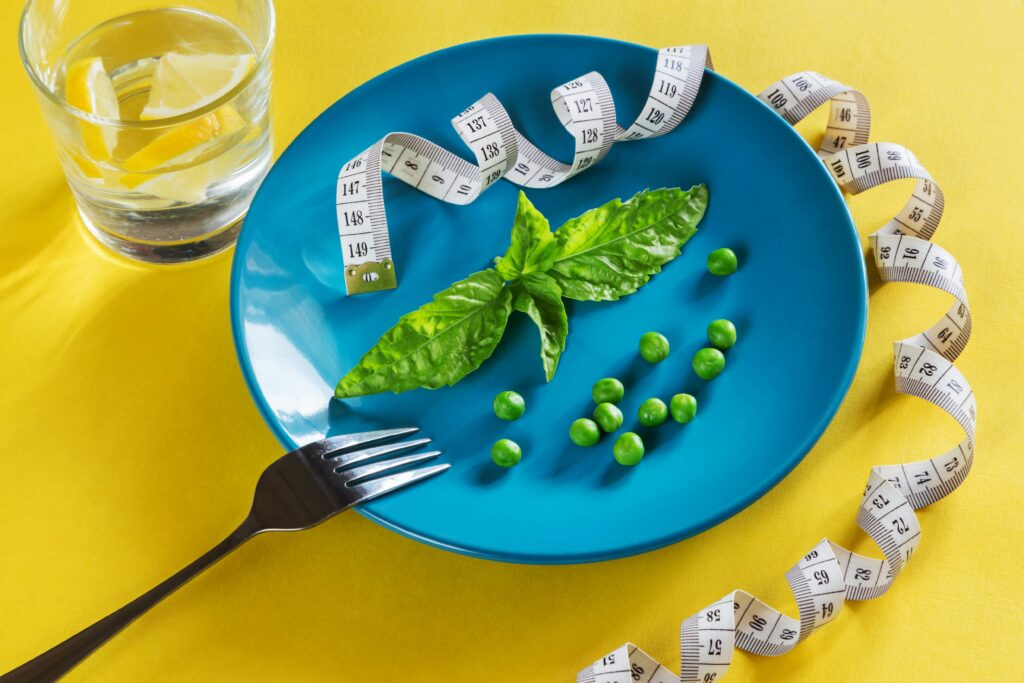
Most nutrition advice is built on a simple idea:
Eat fewer calories than you burn.
On paper, this is correct.
In practice, it assumes something most people do not have:
Time, stability, and measurable inputs.
That assumption quietly breaks the model.
The Hidden Requirement Behind “Calories In / Calories Out”
Calorie counting only works under controlled conditions:
- You know what you’re eating
- You know how it was prepared
- You have time to measure and log it
- The food is consistent from one day to the next
This is not how most people live.
A morning coffee from a local café is not a standardized product.
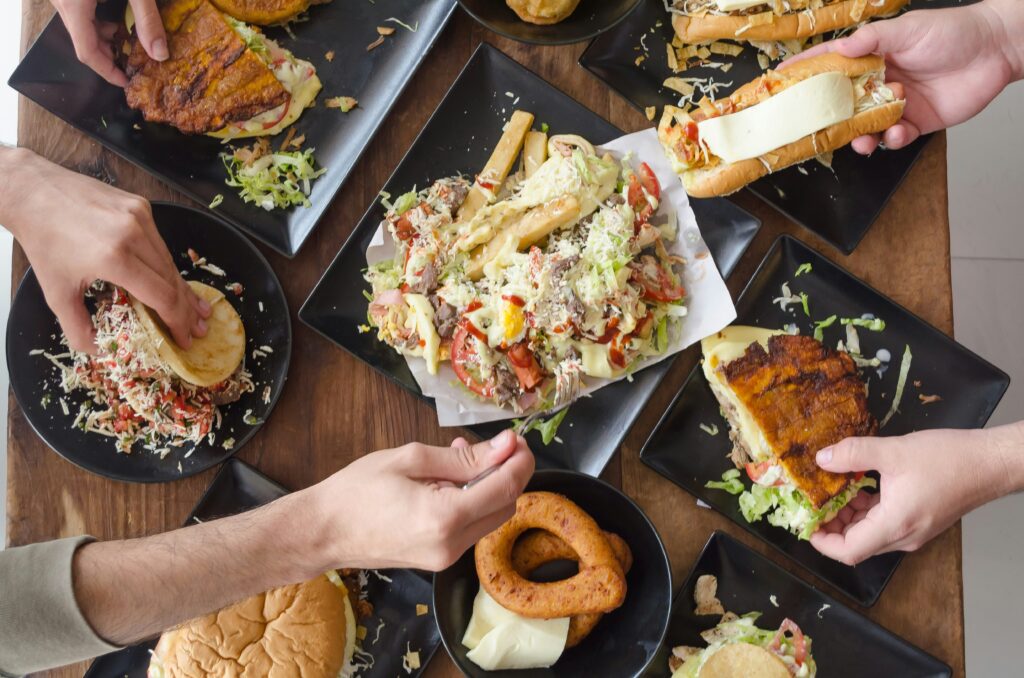
A street food meal is not a fixed recipe.
Even the same dish, from the same vendor, can vary depending on oil, portion, and preparation.
So the system becomes:
Estimate → undercount → repeat
Not because people are careless, but because the environment is not designed to be measured.
The Time Constraint No One Talks About
To accurately track calories, you would need:
- Ingredient-level breakdowns
- Portion measurements
- Consistent sourcing
- Daily logging discipline
That is not a habit.
That is a process.
For someone commuting, working, managing stress, and maintaining daily life, this becomes a second layer of labor attached to eating.
Most people do not fail because they lack discipline.
They fail because the system requires precision in a context defined by variability.
For more on the Impotence of time read: Time is the Real Currency
Two Different Food Systems, Same Outcome
This becomes clearer when you look across environments.
In lower-cost environments like Chiang Mai, food is:
- Cheap
- Available everywhere
- Easy to access at any time
The result is not overeating in a single sitting.
It is continuous eating throughout the day.
In higher-cost environments like the United States, the structure is different:
- Whole foods are time- and cost-intensive
- Processed foods are cheap, scalable, and convenient
The result is not necessarily more meals.
It is more calories per meal, with less satiety.
Different constraints. Same outcome.
Each system solves for calorie delivery in its own way.
- One increases frequency
- One increases density
Both increase total intake.

Why Measurement Fails in Both Systems
Across both environments, the same issues appear:
1. Variable Preparation
Oil, sugar, and portion size are not fixed.
2. Hidden Calories
Liquids, sauces, and cooking methods are not visible.
3. Low Satiety Foods
Highly processed or engineered foods do not signal fullness clearly.
4. Time Pressure
Decisions are made quickly, without investigation.
The result is not a lack of knowledge.
It is a system that resists precise tracking.
The Structural Mismatch
Modern advice says:
Track more. Measure more. Be more disciplined.
Modern environments are:
- Fast
- Variable
- Opaque
- Designed for convenience
These two things do not align.
So responsibility gets pushed onto the individual:
Just count better.
But the actual condition is:
You are being asked to precisely measure something that was not designed to be measured.
What Actually Scales
If a system only works when someone has extra time, stable inputs, and high attention, it will not scale across a population.
The alternative is not better discipline.
It is reducing the need for precision.
That can look like:
- More standardized food environments
- Clearer defaults at the point of purchase
- Fewer hidden inputs, especially liquids and oils
- Meals that are harder to overconsume unintentionally
Not perfect control.
Just fewer variables.
A Different Frame
This is not about telling people how to eat.
It is about recognizing the conditions they are operating within.
When someone gains weight, the default explanation is personal:
- Lack of discipline
- Lack of knowledge
- Poor choices
But across different countries, cultures, and income levels, the same pattern appears.
That suggests something else:
The environment is doing more work than the individual.
For more on how these systems slowly overwhelm you thinking potential read: You Are Not Lazy. You Are Overexposed.
The Real Question
Instead of asking:
Why don’t people track their calories more accurately?
A more useful question might be:
Why does the system require that level of accuracy in the first place?
Closing Thought
Calorie balance still matters.
But the ability to manage it is shaped by:
- Time
- Information
- Environment
If those are unstable, then precision becomes unrealistic.
And when precision is unrealistic, the problem is no longer behavioral.
It is structural.